
Call us now :07971459231
 Send Inquiry
 Send Inquiry
Fabric Inspection Machine
Price 160000.00 INR/ Unit
MOQ : 1 Piece
Fabric Inspection Machine Specification
- Temperature
- 15°C to 35°C
- Humidity
- 40% to 70% RH
- Specimen Size
- Fabric Roll up to 2000 mm wide
- Test Material
- Woven and Knitted Fabrics
- Number of Specimens
- 1 Roll (at a time)
- Test Range
- 10000 m
- Port Size
- Standard 220V Connection
- Type
- Semi-Automatic
- Material
- Mild Steel Body
- Power
- 1 HP Motor
- Power Source
- Electric
- Dimension (L*W*H)
- 2700mm x 1700mm x 1600mm
- Weight
- 850 kg
- Usage
- Fabric Quality Inspection
- Application
- Textile Processing Mills, Fabric Manufacturers
- Fabric Edge Alignment
- Auto Edge Control System
- Noise Level
- Less than 70 dB
- Lighting
- Integrated LED Inspection Lights
- Roll Diameter Capacity
- up to 600 mm
- Display
- Digital Length Counter with Defect Logging
- Roll Handling
- Pneumatic Fabric Roll Lifter
- Operation
- Forward/Reverse Control
- Inspection Speed
- Max. 60 meters/min
- Frame Finish
- Powder Coated
- Drive Mode
- Chain and Gear System
- Control Panel
- Push Button and Emergency Stop
Fabric Inspection Machine Trade Information
- Minimum Order Quantity
- 1 Piece
- Supply Ability
- 10 Pieces Per Month
- Delivery Time
- 1 Week
Fabric Inspection Machine About
We deal in best quality Fabric Inspection Machine, which is used for conducting a visual examination as well as review of raw materials. It can examine the wholly finished garments by taking a proper measurements of garments. The primary objective of this machine is to detect the defects that can happen in a manufacturing process. Fabric Inspection Machine ensures the correct work of weaving & knitting and detects if there is found any defect in the fabric. The method of this machine enable users to inspect and create indispensable marks for quality control for the process of manufacturing. This apparatus is highly portable and ensures the rejection of cut panels occurred due to faults in fabric.
Features:
- Fully de - attachable body, easily portable with standard fitting makes the install nations of this machine.
- Fabric roll smoothy though the roller system.
- A 70 x20 viewing glass with a lighting system facilities easy viewing and inspection.
Technical Specifications:
Model | Overall size (inches) | Viewing glass (inches) | Fabric width (inches) | Machine speed (meater/ min) | Motor rating (kgs) | Net weight |
DST -01 | 75x 55x 80 | 70x 20 | 70 | 18 meter/ min | 1 HP/ AC | 520 |
Advanced Fabric Inspection Technology
Equipped with a digital display for accurate length counting and defect logging, this machine brings consistency to fabric inspection. The integrated LED inspection lights improve visibility of flaws, helping ensure high fabric quality standards across batches.
User-Friendly Operations
The semi-automatic design includes forward/reverse controls, a push button control panel with emergency stop, and an auto edge alignment feature. The pneumatic roll lifter streamlines workflow, making loading and unloading fabric rolls fast and safe even for large, heavy rolls.
Built for Industrial Demands
This machine operates quietly below 70 dB and is constructed with a sturdy, powder-coated mild steel body. With the capacity to inspect one roll (up to 2000 mm wide) at a time and handle up to 10,000 meters per testing cycle, it meets the rigorous demands of textile mills and fabric manufacturers.
FAQs of Fabric Inspection Machine:
Q: How does the digital length counter with defect logging work on this fabric inspection machine?
A: The digital length counter continuously tracks the amount of fabric inspected, while the defect logging system records the location and details of any defects found. This allows operators to document quality issues and take corrective action efficiently.Q: What is the maximum size and weight of fabric rolls that can be inspected with this machine?
A: The machine can accommodate fabric rolls up to 600 mm in diameter, 2000 mm in width, and a test range of 10,000 meters per roll, making it ideal for standard textile mill requirements.Q: When is this fabric inspection machine typically used in the textile production process?
A: This fabric inspection machine is commonly used after weaving or knitting and before fabric processing or dispatch. It ensures that only quality-checked fabric continues in production or is shipped to clients.Q: Where is this fabric inspection machine best suited for deployment?
A: It is ideally suited for textile processing mills, fabric manufacturing units, and quality control departments where consistent fabric inspection is critical to operations.Q: What is the process for loading and inspecting fabric rolls on this machine?
A: Operators use the pneumatic roll lifter to load the fabric roll securely onto the machine. The inspection process begins with the roll running at adjustable speeds, illuminated by integrated LEDs, and any defects are logged via the digital counter.Q: How does the auto edge alignment system benefit users during inspection?
A: The auto edge alignment system ensures that fabric edges remain aligned throughout the inspection process, minimizing material wastage and improving efficiency by reducing the need for manual adjustments.Q: What are the main advantages of using this semi-automatic fabric inspection machine?
A: The primary benefits include increased inspection accuracy, reduced handling time through pneumatic lifting, improved operator safety, lower noise levels, and consistent performance in variable humidity and temperature conditions.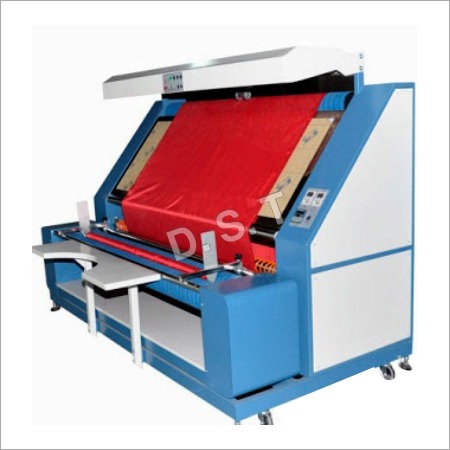
Tell us about your requirement

Price:
Quantity
Select Unit
- 50
- 100
- 200
- 250
- 500
- 1000+
Additional detail
Mobile number
Email


 Send Inquiry
Our Products
- Steam Iron and Boiler Spare Parts
- Machines
- Steam Boilers
- Steam Irons
- Industrial Ironing Equipments
- Laundry Machinery
- Hydro Extractors
- Needle Detectors
- Garment Fusing Machine
- Solenoid Valves
- Steam Valve
- Hot Air Gun
- Washing Machines
- Italian Ecoflam Burner
- Diesel Oil Burners
- Oil Burner Ignition Electrode
- Electronic Ignition Transformer
- Silicon Table Foams
- Fabric Inspection Machine


Head Office- Opp. Plot No - 131, Udyog Vihar, Phase-I, Gurugram - 122016, Haryana, India

 Send Inquiry
 Send SMS
Developed and Managed by Infocom Network Private Limited.
